

The mention of an African safari immediately conjures images of vast golden plains, majestic lions, and herds of wildlife stretching to the horizon. At the heart of this iconic imagery lies Tanzania, a country that has perfected the art of the safari experience. A Tanzania safari tour offers more than just wildlife viewing—it’s a transformative journey that connects travelers with nature’s most profound spectacles, ancient landscapes, and the raw essence of the African wilderness. With its unmatched biodiversity, world-class conservation efforts, and stunning geographical diversity, Tanzania has earned its reputation as the crown jewel of African safari destinations.
Understanding the Magic of Tanzania Safaris
Tanzania’s safari magic stems from a unique combination of factors that no other destination can replicate. The country encompasses some of Africa’s most iconic landscapes, from the seemingly infinite Serengeti plains to the dramatic volcanic highlands of the Ngorongoro Conservation Area. These diverse ecosystems support an extraordinary concentration of wildlife, with populations that have remained largely intact thanks to decades of committed conservation efforts.
What truly distinguishes Tanzania is the authentic wilderness experience it provides. Many of Tanzania’s protected areas are so vast that visitors can spend entire days without encountering other safari vehicles, creating intimate connections with nature impossible in more crowded destinations. The country’s commitment to preserving large, unfragmented ecosystems allows animals to follow their natural migration patterns and behavioral rhythms, resulting in wildlife encounters that feel genuinely wild rather than staged.
Tanzania’s safari industry benefits from decades of experience and refinement. Professional safari guides possess deep ecological knowledge passed down through generations, combined with formal training in wildlife management, animal behavior, and conservation biology. These experts transform game drives from simple sightseeing into educational adventures, revealing the intricate relationships between species, explaining ecosystem dynamics, and sharing insights that dramatically enhance appreciation for the natural world.
The Legendary Great Migration: Nature’s Greatest Show
No discussion of Tanzania safari tours is complete without addressing the Great Migration, widely considered the planet’s most spectacular wildlife event. This ancient phenomenon involves approximately 1.5 million wildebeest, 200,000 zebras, and 350,000 gazelles moving in a continuous circular pattern across the Serengeti-Mara ecosystem in search of fresh grazing and water. This journey covers roughly 800 kilometers annually, driven by seasonal rainfall patterns that have repeated for countless millennia.
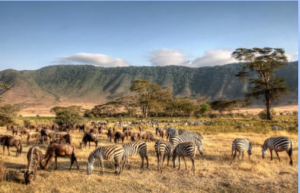
The migration is not a single event but rather a year-round cycle with different phases offering distinct spectacles. From December through March, the herds congregate on the short-grass plains of the southern Serengeti for the calving season. During this period, approximately half a million wildebeest are born within a few short weeks, creating an explosion of life that attracts numerous predators. Witnessing thousands of gangly newborn calves taking their first steps while lions, cheetahs, and hyenas patrol the plains creates unforgettable drama.
As the southern plains dry out, typically around April or May, the massive herds begin their northward journey toward the western Serengeti. This phase involves long columns of animals stretching across the horizon, creating surreal scenes of nature’s scale and power. By June or July, the herds reach the Grumeti River, where the first dramatic river crossings occur. Crocodiles up to five meters long wait in these rivers, creating life-and-death confrontations as desperate wildebeest plunge into the waters.
The most famous crossings occur from July through October at the Mara River in the northern Serengeti. Here, the combination of steep banks, strong currents, and massive crocodile populations creates the migration’s most dramatic and photographed moments. Thousands of animals gather on the riverbanks, seeming to debate the crossing for hours before a sudden collective decision sends them surging into the water. The chaos, bravery, and raw survival instinct on display during these crossings exemplify nature at its most powerful.
Exploring Tanzania’s Premier Safari Destinations
Tanzania’s northern safari circuit remains the country’s most visited region for excellent reasons. The Serengeti National Park, covering 14,750 square kilometers, provides the stage for the Great Migration while also supporting exceptional year-round wildlife populations. The park’s name, derived from the Maasai word “Siringet” meaning “endless plains,” perfectly captures the landscape’s character. Different regions within the Serengeti offer varied experiences, from the open plains of the south to the rolling hills and woodlands of the western corridor, the dramatic kopjes (rocky outcrops) of the central Seronera area, and the riverine forests of the north.
The Ngorongoro Crater represents one of nature’s most remarkable creations—a massive volcanic caldera that collapsed millions of years ago, creating a 600-meter-deep natural amphitheater spanning 260 square kilometers. This geological wonder functions as a self-contained ecosystem supporting approximately 25,000 large animals. The crater floor’s permanent water sources and nutrient-rich volcanic soils create ideal conditions for diverse wildlife, making it one of the few places in Africa where visitors can reasonably expect to see the Big Five in a single day.
Tarangire National Park, named after the Tarangire River that flows through it, transforms during the dry season into one of Tanzania’s premier wildlife destinations. From June through October, the permanent river attracts enormous concentrations of elephants—sometimes herds of 300 or more individuals—creating the most reliable elephant viewing anywhere in Tanzania. The park’s distinctive landscape, dominated by ancient baobab trees and acacia woodlands, provides a dramatically different aesthetic from the open plains of the Serengeti.
Lake Manyara National Park offers remarkable diversity compressed into a compact area. The park’s groundwater forest, fed by springs from the Rift Valley escarpment, creates a lush environment contrasting sharply with the arid plains beyond the park’s boundaries. This forest ecosystem supports unique wildlife including tree-climbing lions, whose unusual behavior has fascinated researchers and photographers for decades. The park also hosts impressive elephant populations, massive buffalo herds, and over 400 bird species, making it a birdwatcher’s paradise.
Immersive Safari Experiences Beyond Game Drives
While traditional game drives remain the cornerstone of most Tanzania safari tours, the country offers numerous ways to experience wildlife and wilderness that provide different perspectives and deeper connections with nature. Walking safaris, conducted with armed rangers and expert guides, transform the safari experience from observation through glass to full sensory immersion. On foot, every sense becomes engaged—the smell of wild sage crushed underfoot, the distant roar of lions, the intricate patterns of animal tracks in the soil, and the constant awareness of being truly in the wild.
Walking safaris teach visitors to read the landscape differently. Guides explain how to identify animals from their tracks, understand territorial markings, recognize medicinal plants, and interpret bird calls that alert to nearby predators. The slower pace allows observation of smaller creatures often overlooked during drives—colorful beetles, chameleons, dung beetles, and countless insects playing crucial ecosystem roles. The vulnerability felt while walking among potentially dangerous animals creates a profound respect for wildlife and a connection to our ancestors’ experiences.
Hot air balloon safaris provide entirely different perspectives on the Serengeti’s vastness and beauty. Floating silently above the plains at sunrise, with the landscape painted in golden light and wildlife visible below, creates magical experiences unlike any other safari activity. Balloon flights last approximately one hour, drifting over the savanna with opportunities to spot wildlife from unique vantage points. The experience typically concludes with champagne breakfasts in the bush, combining adventure with luxury.
Night game drives, available in private concessions and certain areas, reveal the nocturnal wildlife that remains hidden during daylight hours. Specialized spotlights illuminate nocturnal predators like leopards on the hunt, elusive aardvarks, servals, genets, bushbabies, and numerous other creatures active only after dark. The African night transforms familiar landscapes into mysterious realms, with sounds intensifying and the experience of wilderness becoming more primal and exciting.
The Southern Safari Circuit: Tanzania’s Best-Kept Secret
While the northern circuit receives the majority of visitors, Tanzania’s southern and western safari destinations offer equally spectacular but far less crowded experiences. Ruaha National Park, Tanzania’s largest national park at over 20,000 square kilometers, provides vast wilderness experiences with exceptional predator populations. The Great Ruaha River serves as the park’s lifeline, creating dramatic wildlife concentrations during the dry season.
Ruaha’s relative remoteness and limited accommodation options mean significantly fewer visitors, allowing those who venture south to experience Africa as it existed before mass tourism. The park supports one of East Africa’s largest elephant populations, along with greater kudu, sable antelope, roan antelope, and other species rarely seen in northern parks. Ruaha also hosts exceptional lion populations, with prides sometimes numbering over 20 individuals, and is one of the few remaining strongholds for endangered African wild dogs.
Nyerere National Park, recently carved from the northern section of the massive Selous Game Reserve, offers safari experiences centered on the mighty Rufiji River. This extensive river system creates intricate networks of channels, lakes, and wetlands supporting massive populations of hippos and crocodiles. Boat safaris along the Rufiji provide peaceful wildlife viewing opportunities impossible in vehicle-based parks, with chances to observe animals drinking at the water’s edge, bathing elephants, and diverse water birds.
The Katavi National Park in western Tanzania represents one of Africa’s last true wilderness areas. This remote park receives fewer than 1,000 visitors annually, providing adventurous travelers with exclusive wildlife experiences. During the dry season, Katavi’s seasonal lakes shrink dramatically, concentrating wildlife in extraordinary densities. Thousands of hippos crowd into remaining pools, while massive buffalo herds and elephant families gather at water sources, creating spectacular viewing opportunities.
Choosing Your Ideal Tanzania Safari Style
Tanzania accommodates virtually every safari style, preference, and budget level. Mobile camping safaris offer authentic bush experiences with lightweight camps that move to follow wildlife movements, particularly during the Great Migration. These safaris provide genuine wilderness immersion with canvas tents, bush showers, and campfire dinners under star-filled African skies. The mobility allows positioning in optimal locations for wildlife viewing while maintaining relatively affordable pricing.
Permanent tented camps combine comfort with authentic safari atmosphere. These semi-permanent structures feature proper beds, ensuite bathrooms, electricity, and comfortable furnishings while retaining the romance of canvas walls and sounds of the bush at night. Many luxury tented camps rival five-star hotels in service and amenities while providing intimate connections with surrounding wilderness. Locations are carefully chosen for wildlife viewing, privacy, and minimal environmental impact.
Lodge-based safaris offer maximum comfort with solid structures providing extensive amenities, often including swimming pools, spas, multiple restaurants, and extensive grounds. Lodges range from mid-range facilities providing comfortable bases for game drives to ultra-luxury properties offering extraordinary service, gourmet cuisine, and exclusive locations. Lodge safaris suit those prioritizing comfort and amenities alongside wildlife experiences.
Specialized safari options cater to particular interests. Photographic safaris provide vehicles configured for photography with beanbags, charging stations, and guides trained in positioning for optimal shots. These safaris often limit group sizes to ensure everyone has window seats and time for their photographs. Family safaris adapt itineraries, accommodations, and activities for traveling with children, including shorter game drives, child-friendly accommodations, educational activities, and flexibility for varying energy levels and attention spans.
Conservation: The Foundation of Tanzania’s Safari Success
Tanzania’s safari industry rests firmly on conservation foundations that protect wildlife and habitats for future generations. The country has designated nearly 40% of its territory for conservation through national parks, game reserves, conservation areas, and community wildlife management areas. This extensive protected area network preserves critical ecosystems and allows wildlife populations to maintain natural behaviors and migration patterns.
National park fees paid by safari visitors directly fund conservation activities including anti-poaching patrols, habitat restoration, wildlife monitoring, research programs, and community outreach initiatives. This direct financial link between tourism and conservation creates sustainable models where wildlife protection generates economic benefits, incentivizing continued conservation efforts. Areas with successful safari industries demonstrate significantly lower poaching rates and better wildlife population trends than areas without tourism revenue.
Community-based conservation programs recognize that wildlife conservation succeeds only when local communities benefit. Various initiatives ensure that communities adjacent to protected areas receive direct benefits from wildlife tourism through employment opportunities, revenue sharing programs, improved infrastructure, educational support, and healthcare services. These programs transform wildlife from competitors for resources into valuable assets worth protecting, dramatically reducing human-wildlife conflict.
Tanzania leads Africa in community conservation through initiatives like Wildlife Management Areas (WMAs), where communities manage wildlife on their lands and retain tourism revenue. These programs empower local communities while expanding wildlife habitat beyond park boundaries. Visitors can support these efforts by choosing operators that prioritize community partnerships, visiting community-run campsites, purchasing local crafts, and understanding how their tourism spending supports conservation.
Practical Preparation for Your Tanzania Safari Adventure
Successful Tanzania safari tour require thoughtful preparation covering health, packing, and logistical considerations. Health preparations should begin weeks before departure with consultations at travel medicine clinics for vaccinations and malaria prophylaxis. While yellow fever vaccination is mandatory only if arriving from endemic countries, most health authorities recommend it. Routine vaccinations should be current, with additional recommendations for hepatitis A, typhoid, and possibly hepatitis B depending on trip duration and activities.
Malaria prophylaxis is strongly recommended for most safari areas, though medication choice depends on individual health factors and itinerary specifics. Beyond medications, preventing mosquito bites through insect repellent, long sleeves during dawn and dusk, and sleeping under mosquito nets significantly reduces malaria risk. Travel insurance covering medical evacuation is essential given the remoteness of many safari destinations.
Packing for safaris requires balancing essential items with luggage weight restrictions, particularly for travelers using small aircraft between destinations. Most operators impose 15-kilogram soft-bag limits for fly-in safaris. Clothing should emphasize lightweight, quick-drying fabrics in neutral colors. While specific packing needs vary by season and destination, essentials include comfortable closed-toe shoes, wide-brimmed hat, sunglasses, sunscreen, insect repellent, binoculars, camera equipment, flashlight, and any personal medications.
Safari etiquette and rules exist primarily for visitor safety and animal welfare. Standard guidelines include remaining in vehicles unless explicitly permitted otherwise, maintaining quiet during game viewing to avoid disturbing animals, never feeding wildlife, respecting guide instructions, and avoiding littering. These rules protect both visitors and wildlife while ensuring quality experiences for all guests. Many lodges and camps have specific guidelines regarding interaction with staff, meal times, and camp behavior worth reviewing upon arrival.
Making the Most of Your Safari Experience
Maximizing safari enjoyment involves managing expectations, maintaining the right attitudes, and understanding safari realities. Wildlife viewing is never guaranteed—animals are wild and unpredictable. Some days deliver extraordinary encounters with numerous species and dramatic behaviors, while other days may be quieter. Approaching each game drive with openness rather than specific checklists reduces disappointment and allows appreciation for whatever nature provides.
Early morning and late afternoon game drives typically provide the best wildlife viewing as animals are most active during cooler hours. Predators often hunt during dawn, while many species become inactive during midday heat. Willingness to wake early for dawn game drives despite vacation relaxation preferences often results in the most memorable wildlife encounters. The soft golden light during these hours also creates optimal photography conditions.
Patience proves essential for quality wildlife experiences. Spending extended time with animals rather than rushing between sightings reveals behaviors and interactions impossible to observe during brief encounters. Watching lion pride dynamics, elephant family interactions, or predator hunts requires time and patience but provides far more rewarding experiences than simply checking species off lists.
Communication with guides helps ensure satisfying experiences. Sharing interests, photography goals, and priorities allows guides to tailor drives accordingly. Guides possess extensive knowledge and typically enjoy sharing information with genuinely interested visitors. Asking questions, showing curiosity, and engaging with guides’ expertise enhances experiences while demonstrating respect for their profession and knowledge.
Conclusion
A Tanzania safari tour represents one of travel’s most profound and rewarding experiences. The opportunity to witness Africa’s magnificent wildlife in vast, protected wilderness areas creates connections with nature increasingly rare in our modern world. Tanzania’s diverse ecosystems, from the legendary Serengeti plains to the dramatic Ngorongoro Crater, from Tarangire’s elephant haven to the remote wilderness of southern parks, offer experiences catering to every preference and budget.
Beyond the wildlife spectacles and stunning landscapes, Tanzania safaris contribute meaningfully to conservation efforts and community development. Every safari supports the protection of endangered species, preserves critical habitats, and provides economic alternatives to activities threatening wildlife. This sustainable model demonstrates how tourism can drive positive environmental and social outcomes when properly managed.
Whether witnessing the Great Migration’s thundering herds, encountering a leopard in a tree, watching elephants at sunset, or simply absorbing the vast African landscape, Tanzania safari tours deliver transformative experiences that resonate throughout lifetimes. The memories created, lessons learned, and connections forged with nature during these adventures represent investments in understanding our planet’s incredible biodiversity and our responsibility to protect it for future generations.
Key Takeaways
- Tanzania offers unmatched safari diversity with ecosystems ranging from vast grasslands to volcanic craters, providing habitats for extraordinary wildlife concentrations and the world-famous Great Migration.
- The Great Migration involves over 1.5 million wildebeest moving continuously across the Serengeti-Mara ecosystem, offering different spectacles throughout the year from calving season to dramatic river crossings.
- Northern circuit parks deliver iconic experiences including the Serengeti’s endless plains, Ngorongoro Crater’s concentrated wildlife, Tarangire’s elephant herds, and Lake Manyara’s tree-climbing lions.
- Southern circuit provides authentic wilderness with vast, remote parks like Ruaha and Nyerere offering fewer crowds, different species, and genuine exploration feelings absent from more visited areas.
- Multiple safari styles accommodate all preferences, from budget camping to ultra-luxury lodges, mobile camps to permanent tented camps, ensuring quality experiences across all budget levels.
- Walking safaris and alternative activities provide immersive experiences beyond traditional game drives, including hot air balloons, boat safaris, night drives, and cultural interactions with local communities.
- Conservation funding comes directly from tourism, with park fees and safari revenue supporting anti-poaching efforts, habitat protection, wildlife research, and community development programs.
- Proper preparation enhances experiences, including health precautions like vaccinations and malaria prophylaxis, appropriate packing for safari conditions, and understanding wildlife viewing etiquette and expectations.
- Seasonal variations affect experiences significantly, with dry season offering concentrated wildlife and migration river crossings, while wet season provides lush landscapes, fewer tourists, and lower prices.
- Professional guides transform safaris from simple wildlife viewing into educational adventures, sharing ecological knowledge, animal behavior insights, and conservation stories that deepen appreciation for nature.
Frequently Asked Questions
Q: What makes Tanzania better for safaris than other African countries? A: Tanzania’s superiority stems from multiple factors including protecting nearly 40% of land for conservation (creating vast, interconnected ecosystems), hosting the Great Migration (the world’s largest terrestrial wildlife movement), offering exceptional wildlife densities particularly in Ngorongoro Crater and Serengeti, providing diverse ecosystems from plains to volcanic highlands, maintaining large populations of endangered species like black rhinos, and offering excellent safari infrastructure at all budget levels. The combination of iconic wildlife spectacles, authentic wilderness, and professional tourism operations makes Tanzania uniquely positioned as Africa’s premier safari destination.
Q: How physically demanding are Tanzania safaris? A: Standard game drive safaris are not physically demanding, with most time spent sitting in vehicles observing wildlife. However, some activities require moderate fitness. Walking safaris involve hiking several kilometers over varied terrain. Early morning game drives mean 5:30-6:00 AM departures. Long road transfers between parks can be tiring, with some journeys exceeding 6-8 hours. Those with mobility limitations should discuss specific needs with operators, as many lodges accommodate various physical abilities. Optional activities like mountain climbing or extended walks require good fitness, but standard safaris suit most reasonably healthy individuals regardless of fitness level.
Q: When is the best time to see the Great Migration river crossings? A: The Mara River crossings typically occur from July through October in the northern Serengeti, with August and September generally offering the highest probability of witnessing these dramatic events. However, exact timing varies annually based on rainfall patterns affecting grass growth and water availability. Earlier crossings sometimes occur at the Grumeti River in June or July. Migration movements are unpredictable by nature—herds may cross multiple times daily, not cross for several days, or split into different groups crossing at various points. No timing guarantees crossings, though July-October in northern Serengeti provides the best statistical probability.
Q: Are Tanzania safaris suitable for families with young children? A: Yes, though considerations apply. Many lodges and camps don’t accept children under six years, some require children over 12 for walking safaris, and minimum ages often apply for certain activities. Long game drives may challenge young children’s attention spans and patience. Private vehicles allow flexibility for shorter drives, more frequent stops, and schedule adjustments. Several operators specialize in family safaris with child-friendly accommodations, flexible itineraries, educational activities, and family guides skilled in engaging children. Older children (8+) typically thoroughly enjoy safaris, often showing exceptional enthusiasm for wildlife. Discuss specific ages, needs, and preferences with operators to ensure appropriate itineraries.
Q: What wildlife can I expect to see on a Tanzania safari? A: Expectations depend on destinations and seasons, but most northern circuit safaris successfully encounter lions, elephants, buffalos, zebras, various antelope species (wildebeest, gazelles, impalas, topis), giraffes, hippos, warthogs, baboons, hyenas, and diverse bird species. Leopards appear more elusive but are regularly sighted, particularly in areas with good guide networks. Cheetahs are common in open plains areas like the Serengeti. Black rhinos are reliably seen in Ngorongoro Crater but rare elsewhere. Wild dogs, while present, remain unpredictable. Southern parks host species like greater kudu, sable antelope, and roan antelope rarely seen in northern areas.
Q: How much should I tip safari guides and staff? A: Tipping guidelines vary, but general recommendations suggest $15-25 per person per day for safari guides, $10-15 per person per day for lodge/camp staff (collected in a communal tip box), and $5-10 per person per day for drivers on road transfers. These amounts increase for exceptional service or luxury safaris. Many operators provide tipping guidelines in pre-departure materials. Tips represent significant income supplements for safari staff, with guides often supporting extended families. Tipping in US dollars is standard and appreciated. Calculate tips for your entire group and safari duration, bringing adequate small bills.
Q: Can I use my mobile phone and charge devices on safari? A: Connectivity varies significantly by location and accommodation type. Most lodges and permanent camps offer electricity and charging stations, though some run on solar power with limited charging hours. Mobile tented camps may have charging available only in central areas or during generator hours (typically evening). Cell phone coverage exists in major towns and some park areas but is unreliable or absent in remote wilderness areas. Many lodges offer WiFi, though speeds often disappoint visitors expecting home-quality internet. Bring power banks, extra camera batteries, and appropriate adapters. Consider limited connectivity part of the wilderness immersion experience.
Q: What is the difference between parks, reserves, and conservation areas? A: National parks (like Serengeti, Tarangire) have the strictest protection with no permanent human habitation permitted, controlled access, and primary focus on wildlife conservation. Game reserves (like Selous) allow some hunting in designated areas, often have fewer restrictions on activities like night drives, and may permit more diverse land uses. Conservation areas (like Ngorongoro) balance wildlife protection with human habitation, allowing indigenous peoples like the Maasai to live traditionally within boundaries. These designations affect permitted activities—some areas allow walking safaris, night drives, or off-road driving while others restrict these activities. Conservation area fees may differ from park fees.
Q: Should I book a group safari or private safari? A: Group safaris (joining scheduled departures with other travelers) offer lower costs through shared vehicle and guide expenses, opportunities to meet fellow travelers, and guaranteed departures regardless of booking numbers. Private safaris provide complete itinerary flexibility, personalized attention from guides, ability to adjust daily schedules, privacy for couples or families, and accommodation choices matching preferences. Private safaris cost more but deliver customized experiences impossible in group settings. Budget-conscious solo travelers or those enjoying group dynamics prefer group safaris, while those prioritizing flexibility, privacy, and personalization choose private options. Both can deliver excellent wildlife experiences.
Q: What happens if I get sick during my safari? A: Reputable safari operators have protocols for medical situations. Most guides carry first-aid kits and have basic medical training. Serious situations may require evacuation to medical facilities in Arusha, Mwanza, or Dar es Salaam, or medical evacuation flights to Nairobi for critical cases. This highlights the importance of comprehensive travel insurance including medical evacuation coverage, which can cost $50,000-150,000 without insurance. Lodges and camps often have radio/satellite communication for emergencies. Common issues like upset stomachs, headaches, or minor injuries are typically manageable with basic medications and rest. Discuss medical facilities and emergency protocols with your operator before departure.