

If one day feels too rushed and a full week is more than your schedule allows, a 3 day’s gorilla trekking safari sits in the middle. It gives you time to travel comfortably, rest before the trek, meet a gorilla family in the forest and return without feeling hurried. For many travellers it is the best balance of cost, comfort and experience.
This guide covers how a three-day trek is structured in Uganda and Rwanda, what it costs, how to prepare and who it suits.
Why Choose a 3-Day Gorilla Trek?
Three days is long enough to remove most of the pressure of a one-day trip and short enough to fit a long weekend or a tight leave allowance. The main advantages are:
A more relaxed pace. You can sleep near the park, start the trek fresh and avoid back-to-back travel marathons.
Time to recover. Gorilla trekking can be strenuous. An evening of rest before and after helps your body and your photographs.
Built-in flexibility. If weather or a late arrival shifts your plans, a three-day itinerary has a little slack that a day trip does not.
Cost control. You pay for only one night or two near the park, rather than building a longer safari.
The same encounter. The hour with the gorillas is identical regardless of how many days you spend travelling.
Where Can You Trek in Three Days?
Uganda: Bwindi Impenetrable National Park
Bwindi is Uganda’s best-known gorilla destination, with several sectors including Buhoma, Ruhija, Rushaga and Nkuringo. The forest is ancient, dense and exceptionally rich in biodiversity. The long drive from Kampala or Entebbe is the main challenge, so three-day itineraries are built in one of two ways:
- By road: Travel one full day to the park region, trek on day two and return on day three. This is the most economical approach.
- By air: Fly from Entebbe or Kajjansi to an airstrip near Bwindi, saving hours of driving and adding comfort at a higher cost.
Uganda: Mgahinga Gorilla National Park
Mgahinga is a small park in the Virunga volcanoes in the far southwest. It is less visited and offers volcanic scenery and golden monkey tracking in addition to gorillas.
Rwanda: Volcanoes National Park
Rwanda is the most convenient option for short trips. The park is about a three-hour drive from Kigali, so a three-day safari leaves ample time for the trek, a rest day and a stay in the park region or the capital.
Sample 3-Day Itineraries
Option A: Uganda by Road (Entebbe/Kampala to Bwindi)
Day 1: Transfer to Bwindi. Depart early from Entebbe or Kampala. The route passes through western Uganda’s rolling hills and tea country, and most operators include a stop for lunch and a glimpse of the equator crossing. You arrive at your lodge in the evening for dinner and a trek briefing.
Day 2: Gorilla trekking. After an early breakfast, attend the ranger briefing and set off with your guides and trackers. Once you find the gorillas, you spend one hour with the family. Return to the lodge for lunch and a relaxed afternoon, perhaps with a community walk.
Day 3: Return to Entebbe or Kampala. Drive back, with stops en route, arriving in the evening or later depending on traffic.
Option B: Uganda by Air
Day 1: Fly to Bwindi’s airstrip, transfer to the lodge and rest.
Day 2: Trek the gorillas, then enjoy a cultural activity such as a Batwa experience in the afternoon.
Day 3: Fly back to Entebbe, leaving time to connect to onward international flights.
Option C: Rwanda (Kigali and Volcanoes National Park)
Day 1: Arrive in Kigali, visit the city and drive to Musanze in the afternoon.
Day 2: Trek the gorillas in Volcanoes National Park. Afterwards, relax at your lodge or visit a nearby crater lake or cultural site.
Day 3: Optional morning activity such as golden monkey tracking, then return to Kigali for departure.
All three outlines can be adjusted for different airport arrival times, so share your flight details with your operator early.
Costs: What to Budget
The permit is the largest fixed expense, and it differs by country.
- Uganda: A gorilla permit costs $800 per person in high season, or $600 during the low-season discount months of April, May and November.
- Rwanda: A permit costs USD 1,500 per person, a price reported to hold steady for 2026/2027.
- Uganda habituation experience: From USD 1,500, giving four hours with the gorillas rather than one.
Beyond the permit, a three-day trip includes accommodation, a vehicle and driver-guide or flights, meals, park-related fees, porters and tips. Published 2026 figures suggest that a mid-range Uganda trip costs roughly $2,500 to $4,000, and Rwanda costs more at the same comfort level, although a short three-day itinerary should normally fall below those whole-safari ranges. Costs vary widely by lodge category and transport choice. Always request an itemised written quote that clearly lists what is included, since prices and rules can change between tariff periods and older guides may be out of date.
A rough planning guide for a 3-day trip per person:
| Style | Typical considerations |
| Budget (Uganda by road) | Permit plus basic lodge, shared vehicle or economical transport |
| Mid-range | Permit, comfortable lodge, private vehicle |
| Luxury or fly-in | Permit, premium lodge, domestic flights and private transfers |
What the Trek Is Really Like
Gorilla trekking is a guided walk in a mountain forest, and the experience varies widely.
Briefing. At the start, rangers explain the rules, assign groups of up to eight visitors to a gorilla family and describe the likely terrain.
The walk. Trackers go ahead to locate the family from where they nested the previous night. You may walk for under an hour or for several, over steep and often muddy ground at high altitude.
The encounter. Once you reach the gorillas, you leave extra gear with your porter and approach quietly. For one hour you watch the family feed, rest, groom and play. A silverback may be calmly watching, juveniles may be wrestling and infants may be clinging to their mothers.
The return. The hike back can feel long, but it is often a time of quiet satisfaction and conversation.
Preparing for Your 3-Day Trek
Fitness. You do not need to be an athlete, but build stamina with hill walking, stair climbing and long hikes in the weeks before travel.
Footwear and clothing. Use broken-in hiking boots with good grip, long trousers, a long-sleeved top, a waterproof jacket and gardening gloves. Gaiters help with mud and insects.
Porters. Hiring a local porter makes the walk easier and supports the community. Many travellers consider it money well spent.
Camera. Bring a camera that performs in low light, extra batteries and a rain cover. Flash photography is not permitted.
Health. Visit a travel clinic well before departure for vaccination and malaria advice. Carry insurance that covers medical evacuation and permit costs.
Gorilla Etiquette and Rules
Rangers enforce rules designed to protect both visitors and gorillas:
- Keep roughly seven metres’ distance, and stay calm if the gorillas approach.
- Do not join the trek if you are ill with a cold, flu or other contagious condition, as gorillas are vulnerable to human diseases.
- Keep your voice low and avoid sudden movements.
- Do not eat, drink or smoke near the animals.
- Do not use flash.
- The minimum age is generally 15.
When to Go
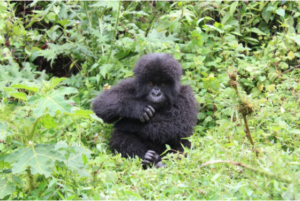
Gorillas can be trekked all year. Dry seasons, roughly June to September and December to February, bring firmer trails and easier walking, though they are also the busiest and most expensive months. The wetter months of March to May and October to November bring lusher forest, fewer visitors and, in Uganda, discounted permits in some low-season months, although trails can be slippery.
Because a three-day itinerary has little slack, book your permit as early as possible, particularly for the dry months.
Choosing an Operator and Booking Tips
- Check licensing and reviews. Choose an established, licensed operator with recent traveller feedback.
- Confirm the permit first. Make sure your permit is secured before paying in full.
- Ask about flexibility. Understand refund, rescheduling and illness policies.
- Clarify inclusions. Check meals, transfers, porters, park fees and tips.
- Plan your arrival. If your international flight lands late, ask whether you should arrive a day early to protect your trek date.
Conclusion
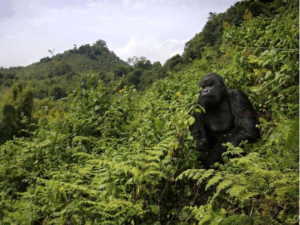
A 3 day gorilla trekking safari offers one of the best returns on time and money in African travel. It leaves enough room to travel without rushing, rest before the trek and enjoy the surrounding landscape, yet it still fits a short break. Uganda is typically the better choice for a lower permit price and varied forests, while Rwanda is ideal when convenience and proximity to Kigali matter most. With early permit booking, reasonable fitness, proper gear and a trustworthy operator, three days is all you need to sit quietly in a misty forest and meet one of the planet’s most remarkable animals.
Key Takeaways
- A 3-day gorilla trek balances comfort, cost and time, with one day to travel, one to trek and one to return.
- Uganda permits are about $800 (or $600 in low-season months), while Rwanda’s are $1,500 for foreign non-residents. Verify current tariffs before booking.
- Rwanda is easiest for short trips, as Volcanoes National Park is around three hours from Kigali.
- Uganda trips by road involve long drives, while fly-in options save time at a higher cost.
- You spend one hour with the gorillas on a standard permit.
- Book permits early, hire a porter and wear proper trekking gear.
- Follow all ranger rules to protect the gorillas and yourself.
Frequently Asked Questions
- Is three days enough for gorilla trekking?
Yes. Three days allows for travel, a trek and a return journey without excessive rushing, especially from Kigali or with a Uganda fly-in. - Which country is better for a 3-day trek?
Rwanda is more convenient due to its short transfer from Kigali. Uganda offers a lower permit cost and more variety, but takes more travel time unless you fly. - How much does a 3-day gorilla trek cost?
It depends on the permit, lodging and transport. Permits alone are roughly $800 in Uganda and $1,500 in Rwanda, with accommodation and transport on top. - How long do I spend with the gorillas?
One hour once you reach the family. - How hard is the trek?
It ranges from easy to strenuous, depending on the family’s location. Moderate fitness and a porter make it manageable for most people. - When should I book my permit?
Several months ahead, and earlier for dry-season dates. - Can I add other activities in three days?
Sometimes. In Rwanda, golden monkey tracking or a cultural visit may fit. In Uganda, a community or Batwa experience is common on the afternoon after the trek. - What is the minimum age to trek?
Generally 15 years. - What should I do if I get sick before trekking?
Tell your operator and guide. Rangers may refuse entry to protect the gorillas, so check refund and rescheduling terms and consider insurance that covers permit costs. - Is the trek safe?
Yes, when you follow ranger instructions. Guides are experienced, and groups are escorted throughout.
Note: tariffs, rules and availability change. Confirm current details with the Uganda Wildlife Authority, the Rwanda Development Board or your operator before booking.
I can also provide this as a Word or PDF file, or adapt it for your tour company’s website or blog.